Exactly how to Repair a Garage Door That Trembles or Vibrates
A garage door that drinks, rattles, or shakes is not simply bothersome. It is usually telling you that something in the system is out of equilibrium, loose, worn, or working tougher than it should. In some cases the solution is straightforward, like tightening up a brace or replacing a weary roller. Various other times the resonance points to a larger issue with the garage door electric motor, the springtimes, the tracks, or the door itself.
If you reside on the Gold Shore or anywhere exposed to serious weather condition, the risks are higher than noise alone. A garage door is among the largest relocating parts of a home, and Queensland support treats it as a recognized weak point in cyclones. A door that bends excessive, rolls terribly, or does not close safely can come to be a real responsibility when storms arrive. That is why repair services, assessments, and preventative upkeep for garage doors matter so much here, not just for comfort but for resilience.
what vibration is actually informing you
A garage door ought to move with a regulated, steady motion. You ought to listen to the electric motor working, rollers relocating through the track, and the occasional click of hardware settling. What you should not listen to is fierce shaking, a deep drumming sound, or a door that appears to bounce as it opens up or closes.
Vibration normally comes from one of a few places. The door panels may be misaligned or damaged. The tracks may be loose or out of true. Rollers may be worn or not revolving easily. Springs might be unbalanced. The opener may be drawing against a door that is also hefty for it, or the motor itself might be wearing out. In some homes, the issue starts with a bracket or joint that has actually loosened up in time and now imitates a small amplifier whenever the door moves.
The essential thing is to review the signs and symptom very carefully. A door that vibrates only at the start of traveling may be catching on the track. A door that drinks midway up might have an opener issue or a curved area. A door that rattles at the end of the cycle may be connected to take a trip limitations, hardware looseness, or a bad seal that allows the door to bang versus the frame.
start with the most safe checks
Before touching anything, separate the power to the opener if you are mosting likely to inspect closely. Maintain your hands free from springs and cable televisions. Those components save considerable energy, and they are not a place for guesswork.
A simple aesthetic evaluation commonly reveals the source of the problem. Look at the door from inside the garage while it garage door resource opens up and closes. Watch for wobble in one area, side-to-side movement in the track, or a roller that seems to stick. Pay attention for sharp steel clicks, grinding, or a low shaking hum from the garage door electric motor. Those audios can direct you towards the falling short component without disassembling the system.
If the door has recently begun shaking after a tornado, check the framework, seals, and noticeable hardware very carefully. Queensland tornado guidance regularly emphasizes obtaining homes all set before extreme climate, and in technique that suggests examining the garage door as part of the structure envelope. Voids, harmed seals, and loosened dealings with can become worse after strong wind or repeated stress on the door.
the most common root causes of a drinking garage door
There is no solitary repair work for every single shaking door. In the area, I normally see a mix of wear and little misalignments as opposed to one catastrophic failure. That is why a mindful diagnosis matters.
Sometimes the rollers are the culprit. Older rollers can squash, crack, or stop turning efficiently. When that takes place, the door no longer glides via the track. It chatters rather, and the resonance moves with the whole framework. Nylon rollers frequently run quieter than old metal ones, however whatever the product, the key is smooth turning and good alignment.
Loose hardware is one more constant cause. Over months and years, joints, braces, and track bolts function themselves somewhat complimentary. Also a small amount of motion can develop an obvious shake. On light-weight doors, the noise may be much more obvious than the mechanical concern itself. On larger doors, the resonance can be solid sufficient to rattle stored products in the garage.
Track troubles can additionally create rough resonance. A track that has changed, curved, or end up being unequal forces the rollers to fight the path as opposed to following it. The door may bind in one place and afterwards jump ahead. That jump is what lots of property owners call a shake.
The springtimes should have unique attention. If the equilibrium is off, the opener needs to do way too much training. That additional strain can make the entire system shudder. A door that feels hefty by hand or will not remain partially open is typically an indication that the springtime system requires specialist attention.
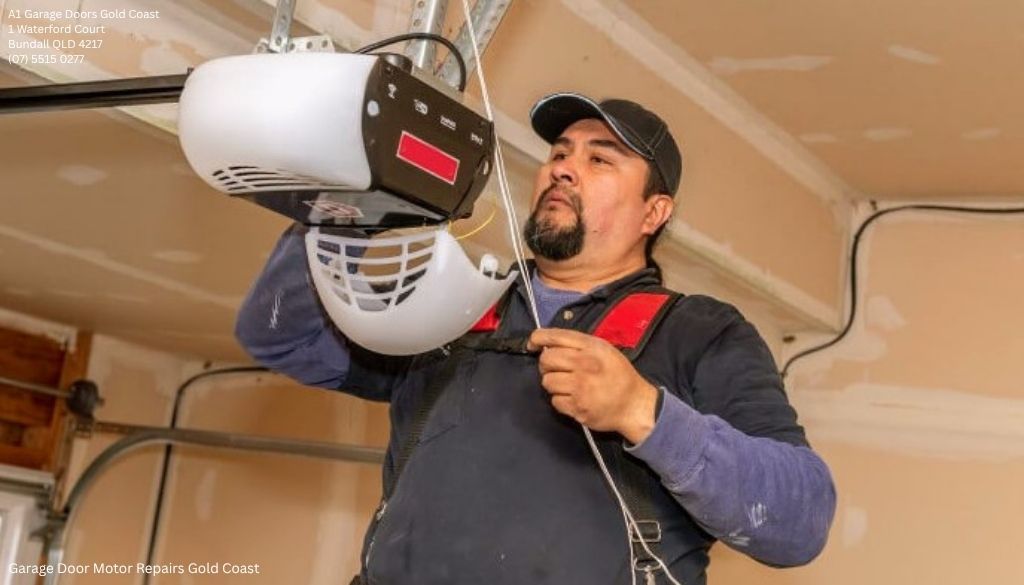
Then there is the opener itself. A weak, exhausted, or poorly readjusted garage door electric motor can trigger jerky motion, specifically if it is likewise trying to raise a door that requires solution. The resonance may be coming from the motor real estate, the rail, or the point where the opener attaches to the door. Some openers merely send normal mechanical movement a lot more noisally than others, but a brand-new vibration is generally worth investigating.
how to fix a garage door that trembles or vibrates
The best repair work course depends upon what is actually creating the vibration. Beginning with the parts that are most convenient and most safe to check, after that function upward in complexity.
a functional repair sequence
- Tighten apparent loosened hardware, including hinges, track brackets, and opener placing points.
- Check the rollers for wear, level places, or inadequate motion, then change any type of that are damaged.
- Inspect the track for bends, misalignment, or installing issues, and appropriate minor placing problems.
- Look at the door balance and springtime performance, due to the fact that an out of balance door can compel the whole system to shake.
- Test the garage door electric motor for strain, unusual noise, or jerky travel, particularly after the mechanical parts have been checked.
That order issues. Individuals occasionally blame the opener initially and replace it when the actual problem was a loose joint or a bent track. I have seen a couple of cases where a house owner prepared to purchase a new motor, only to find that two track fasteners had actually backed out and the door was vibrating versus the frame. Repairing that saved time and money.
when the garage door motor becomes part of the problem
The garage door electric motor is not constantly the resource garage door opener repair of the trouble, however it typically subjects it. If the opener seems like it is straining, shudders throughout travel, or shakes heavily at the start or end of the cycle, do not overlook it. The electric motor might be taking care of too much resistance, or it may have interior wear that is now impacting performance.
If the door relocates panel replacement openly by hand when disconnected from the opener, the electric motor is more likely to be the concern. If the door still really feels rough by hand, the issue is mechanical instead of electric. That difference saves a lot of thrown away effort.
Motor-related resonance can additionally come from inadequate mounting. If the opener is not secured properly, the rail and drive components can move vibration into the ceiling framework. In some garages, that generates a louder sound than the real mechanical fault. Tightening the mounting factors may help, but just if the opener is basically sound. If the electric motor is old, unreliable, or mismatched to the door load, replacement is commonly the a lot more reasonable answer.
rollers, joints, and tracks are worthy of cautious attention
These are the components that most often transform a smooth door right into an unstable one. Rollers ought to transform cleanly. Hinges must hold each panel in line. Tracks needs to be straight sufficient and secure enough to lead the door without forcing it.
A valuable routine is to evaluate one area at a time. Search for irregular gaps between panels, rusted hardware, missing fasteners, or locations where the door appears to lean as it moves. On sectional doors, one curved hinge can produce a ripple effect that reaches the remainder of the door. On roller doors, issues might turn up as a consistent rattle or a persuade that becomes worse as the door travels.
If a track is a little wrong, tiny corrections can aid, yet major distortion usually calls for professional repair service. The exact same puts on cable televisions and springtimes. These are not parts to trying out unless you are trained to work on them. A garage door under stress can act unexpectedly if handled incorrectly.
storm durability transforms the fixing priorities
On the Gold Coast, repair choices must not quit at making the door quieter. Queensland guidance makes it clear that garage doors can be a weak spot in cyclones and extreme storms. A door that drinks, spaces, or flexes exceedingly may require greater than a fast tune-up if it is to handle severe wind pressure.
That is where conformity and score issue. Official guidance claims garage doors must comply with AS/NZS 4505 and be appropriately rated for wind pressure, or have a bracing system when a cyclone is approaching. That guidance is not theoretical. When a garage door stops working in high wind, the damages can expand past the door itself. Walls, ceilings, and roofing cladding can be affected if the opening is compromised.
For home owners, that suggests a fixing conversation ought to include greater than noise reduction. Ask whether the door appropriates for neighborhood tornado problems, whether any type of non-compliant door ought to be changed, and whether the securing and locking system offers the home the ideal level of security. In some cases, a door that is still technically operable may not be the right door for the website anymore.
seals, spaces, and the home envelope
A trembling door often includes small spaces that are very easy to dismiss till weather condition transforms. Side seals, leading seals, and lower seals all contribute to security and security. If they are put on, split, or compressed unevenly, the door may move greater than it needs to and might allow wind-driven rain or debris.
Checking the seals is simple, however the result can be considerable. A door that rests snugly in the opening has a tendency to relocate much more cleanly. A door with large gaps or a distorted seal can babble in the frame. The exact same logic applies to the surrounding structure. If the opening itself is not square or secure, the door can just do so much.
This is among those areas where preventive upkeep for garage doors settles. Seals are inexpensive compared with damaged panels or a full replacement. And in a storm-prone region, even a moderate renovation to the structure envelope can make a difference when the weather transforms quickly.
emergency repair work after a storm
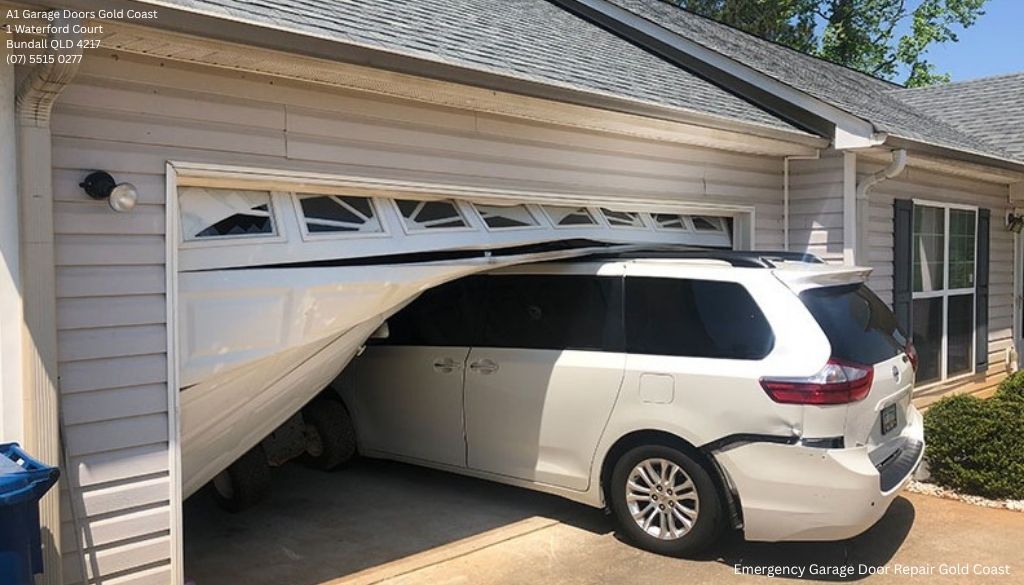
After severe weather, speed matters, however so does care. If a garage door is bent, partly off track, jammed, or refusing to shut, that is an emergency situation repair circumstance. The goal is to secure the opening without making the damage worse.
Do not maintain cycling a door that is noticeably harmed. Repeated attempts can get worse panel contortion, stress the garage door motor, and pull hardware further out of positioning. If the door has been hit by wind, particles, or a structural shift, have the opening evaluated before utilizing it again. A door that shows up to function yet is jeopardized can fail unexpectedly on the following cycle.
Post-storm examination need to consist of the door surface area, tracks, braces, seals, opener installs, and any kind of visible distortion around the frame. If the garage belongs to a business residential or commercial property, the very same logic applies. Queensland service storm-preparation support emphasizes intending ahead and responding rapidly after extreme weather condition, which is equally as pertinent to gain access to doors and protected entrances as it is to other infrastructure.
when repair quits making sense
There is a point where fixing ends up being a spot, not an option. If a door is old, badly out of compliance, repeatedly drinking after solution, or already revealing storm-related wear, replacement may be the better investment. That is specifically true if the door is not correctly ranked for neighborhood wind stress or if the current arrangement has no meaningful bracing option.
I have actually seen homeowners invest money on duplicated adjustments, rollers, and opener parts, just to wind up encountering the same vibration once again every period. As soon as the panels are fatigued or the structure no more holds positioning, the issue returns. A new door can resolve more than one concern at once. It can boost motion, protection, sound, and resilience.
Replacement is not constantly immediate, however it should be thought about when the door's standard structure is the weak link. That is especially real in regions where severe tornados are a real seasonal concern.
an upkeep rhythm that stops the issue from returning
The easiest garage doors to deal with are the ones that obtain tiny interest prior to they come to be big repair work. A seasonal assessment is generally sufficient for numerous homes, though storm-exposed residential or commercial properties may gain from closer monitoring. Look at the rollers, tracks, joints, seals, opener places, and balance. If something sounds various, it usually is.
A basic upkeep routine also aids you capture changes early. Open and shut the door a few times each month and listen with the garage quiet. If a new vibration appears, take care of it before it turns into a damaged spring, damaged opener, or tornado susceptability. That is the functional side of precautionary maintenance for garage doors. It is not glamorous, but it is much less expensive than awaiting a failure.
Noise decrease and power efficiency frequently boost alongside repair as well. A door that is lined up, sealed, and effectively balanced tends to run even more efficiently and hold up much better. That matters whether the goal is day-to-day benefit, safety, or weather readiness.
what a mindful homeowner can do, and where to stop
A home owner can usually find loosened hardware, worn seals, surface damages, and apparent track issues. You can listen for motor stress, inspect whether the door relocates smoothly, and note whether the problem adjustments with position or speed. Those monitorings are important because they tighten the repair service quickly.
Where you should stop is at anything entailing high-tension components or significant structural improvement. Springs, cables, and significantly misaligned tracks are specialist area. So is any type of door that has been harmed by wind or tornado stress and might no more be secure to operate. The very same caution uses if the opener is vibrating since the door lots is too expensive. That is a systems trouble, not a fast fix.
If you are attempting to determine whether you need a fixing or a replacement, the best question is not only, "Can it still open?" It is, "Does it open efficiently, safely, and with enough strength for the problems I live in?" For homes in cyclone-prone components of Queensland, that inquiry is worth asking every season.
A garage door should shut well, move cleanly, and shield the opening when weather condition gets harsh. When it shakes or shakes, it is generally requesting for attention long prior to it falls short totally. Treat that early warning seriously, and you will certainly have a much better chance of preventing larger repair work, emergency situation callouts, and the sort of tornado damage that begins at the garage and spreads outward.